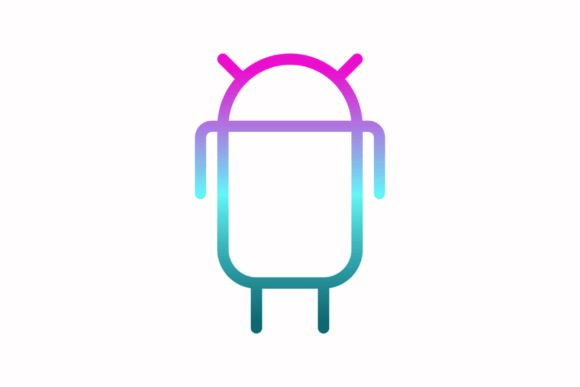
Android Rainbow Coloring Icon for Embroidery Projects
A First Impression: Cheerful, Digital, and Instantly Recognizable
When I first looked at the Android Rainbow Coloring Icon, my immediate thought was: this is pure, simple fun. The design captures that friendly little robot character we all know, but splashes it with a vibrant rainbow palette. It doesn't try to be overly complex; it's a clean graphic with a playful mood. This isn't a stern, technical logo—it’s an invitation to creativity. For embroidery, that personality is gold. It feels like it belongs on projects meant to spark joy, like a child's item, a quirky kitchen towel, or a cheerful gift for a tech-savvy friend.
The Natural Home for This Embroidered Icon
In my hands, thinking about my next client project or a new product for my small shop, I see this design fitting perfectly into a few key niches. A custom baby blanket or nursery pillow cover comes to mind immediately—the bright colors and friendly android are a wonderful match. It would also make a fantastic focal point on a unisex toddler sweatshirt. For adult items, it feels ideal for a casual tote bag or a cozy pillow in a gaming room. As a handmade patch, it could be a huge hit, easily applied to a backpack or cap. The design’s theme sits nicely in that overlap between tech appreciation and lighthearted craft.
How It Performs in Real Embroidery Situations
Let’s walk through a real scenario. Say I’m preparing a custom embroidered tote bag for an Etsy listing. I want it to be a bright, conversation-starting piece. I load the Android Rainbow Coloring Icon file. The product description notes it's scalable, which is crucial. Starting with a generous size—maybe a 5-inch hoop area on the bag’s front panel—would let those rainbow colors really shine. The icon's bold shapes suggest that satin stitches for the outline and fill stitches for the larger color blocks would work beautifully, creating a crisp, polished look. On a sturdy canvas tote fabric, with proper stabilizer, I’d expect excellent stitch clarity.
This scalability also means I can experiment. Shrinking it down for a small accent on a tea towel or a baby bib’s corner is completely viable. But here’s a practical note: on very small hoop sizes, those rainbow color segments will become tiny. You must review the stitch density and detail level carefully to ensure the colors don’t blur into each other. A test run on scrap fabric is non-negotiable here.
Where a Designer Would Proceed with Caution
While the design is adaptable, my experience tells me to be mindful in a few situations. On highly textured fabrics like a thick sweater or a terry cloth towel, the fine details of the android's face might get lost if the stitch density isn't adjusted. Similarly, on dark fabric backgrounds, you'll need to plan your thread color contrast strategically; some of those lighter rainbow hues might need to be swapped for deeper shades to maintain visibility.
Stretchy fabric, like on a standard t-shirt, requires extra stabilization and possibly a lighter version of the design to prevent puckering, especially if the icon uses dense fill areas. And for curved surfaces like a cap, the design's relatively symmetrical shape should work, but you must confirm the file's compatibility with your cap hoop and test the layout to avoid distortion on the crown.
The Impact on Your Product’s Appeal and Value
Using a design like the Android Rainbow Coloring Icon on your handmade product does something important: it creates instant recognition and a smile. For a customer browsing your Etsy shop or craft fair table, it signals a specific, happy niche. It elevates a simple pillow or apron from a generic item to a themed, personalized gift. That connection boosts perceived value and buyer engagement.
For a creative entrepreneur, it adds a layer of brand consistency if your shop focuses on playful, digital-culture crafts. A customer who buys this embroidered sweatshirt might return for another tech-themed design. It feels professional because it’s a clean, scalable graphic—not a fuzzy, low-resolution image. That stitching clarity translates directly to customer trust in your craftsmanship.
Practical Notes Before You Hoop Your Fabric
Before you commit this design to a client project or a batch of boutique merchandise, here’s my checklist. First, always test the embroidery file on a piece of scrap fabric that matches your final project’s material. This reveals everything: how the colors interact, whether small details are crisp, and if the stitch density is right for the fabric weight.
Second, play with color. Look at the design in a black-and-white mockup to judge contrast. Then, compare how it looks on both light and dark background mockups. You might decide to tweak a thread color or two for optimal impact.
Third, think about usage. The product description mentions SVG and JPG formats, which are common for digital graphics. For machine embroidery, you will need to convert or source the design in your machine's specific format. Crucially, you must confirm the licensing terms before selling any finished items or digital products derived from this icon. Is it cleared for commercial embroidery projects? That step is essential for your business.
Finally, consider the end product's life. If you're embroidering it on a kitchen towel or baby item that will need frequent washing, ensure your stitch structure is secure and your threads are colorfast to maintain that vibrant rainbow look over time.
Final Thoughts on This Playful Graphic
The Android Rainbow Coloring Icon is a straightforward, mood-boosting graphic with strong potential for embroidery. Its strength is its cheerful personality and scalable nature, making it a versatile asset for tote bags, baby items, patches, and casual apparel. Approach it with a designer’s practical eye: test it thoroughly, respect fabric limitations, and confirm its commercial use rights. When stitched well on the right product, it becomes more than just an icon—it’s a handmade piece that tells a fun, colorful story.