Kids Coloring Duck: A Graphic for Inclusive Branding
The First Impression: Friendly, Playful, and Professionally Open
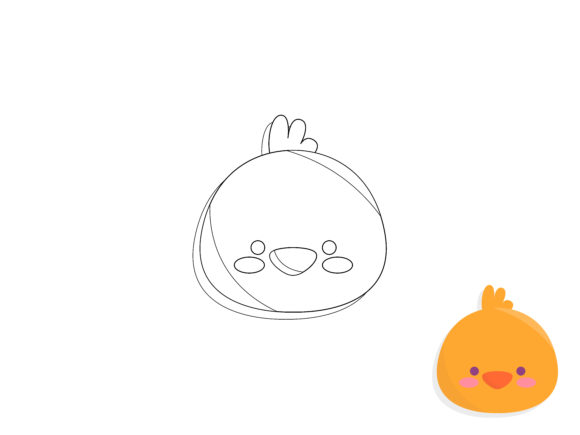
Opening the Kids Coloring Duck vector files, my first impression is of a design asset that radiates approachability. The line art style, with its clear, welcoming duck illustration, instantly creates a mood of warmth and simplicity. This isn't about sleek, high-end minimalism; it’s about crafting a visual tone that feels inclusive, creative, and down-to-earth. For brand owners targeting families, educational content, or lifestyle products with a handmade or casual ethos, this graphic design asset offers an immediate emotional connection. It suggests fun, learning, and a touch of nostalgia—perfect for audience perception that values authenticity over cold corporate polish.
A Real Marketing Project: Launching a Children's Activity Box
Imagine a small business is launching a new subscription box for kids' crafts. The campaign needs visuals for social media graphics, a website header, email banners, and even packaging inserts. Here, the Kids Coloring Duck illustration becomes a cornerstone for visual consistency. Because it's a vector file—openable, editable, and resizable without losing quality—it can be adapted perfectly across every touchpoint. In Adobe Illustrator, I can recolor the duck to match the brand’s palette for a stronger first impression. On the website hero graphic, it acts as a friendly anchor. On Instagram posts and Pinterest pins, it provides a recognizable, engaging element that builds stronger recognition.
Where This Duck Graphic Performs Brilliantly
In real marketing and branding situations, its versatility shines for specific applications:
- Social Media Graphics: Its clear lines make it ideal for Instagram posts or Facebook ads promoting family-friendly events or products.
- Content Marketing & Lead Magnets: Incorporated into blog graphics or downloadable coloring sheets as a lead magnet, it directly supports audience trust and engagement.
- Printable Design & Merchandise: For event flyers, stickers, or as an accent on product labels for children’s items, it maintains a professional appearance even when printed.
- Digital Product Visuals: For online coaches or digital sellers creating kids’ activity packs, this illustration can be used within Canva templates or as part of a design bundle, offering a cohesive look.
- Packaging Design & Editorial Layouts: As a decorative brand element on packaging inserts or in editorial design for a parenting blog, it adds personality without overwhelming the main message.
Supporting Core Marketing Goals with a Single Asset
Beyond specific uses, this single creative design asset actively supports broader marketing goals. Its inherent friendliness fosters an emotional connection. When used consistently across a campaign—from digital ads to email banners—it reinforces more consistent branding. For a small business branding effort, this helps in building a more memorable campaign visual identity without a huge budget. The editable nature means it can be integrated into existing brand identity systems, ensuring better product presentation and improved audience trust through cohesive, thoughtful design.
Hero Graphics, Campaign Headers, and Branded Templates
This duck is a prime candidate for hero graphics on a landing page or as the central visual in a seasonal offer promotion. Its style lends itself perfectly to campaign headers for a “Back to School” content kit or a “Spring Fun” digital campaign. By placing it inside real campaign mockups, you can see how it establishes a clear visual hierarchy, often serving as a welcoming focal point that guides the viewer to the key message or call-to-action.
Practical Considerations: Where to Use with Care
As a brand designer, I must note where this asset should be applied thoughtfully. Its playful, illustrative nature might clash with formal corporate branding for law firms or financial services. On dense information layouts or text-heavy ads, it could compete with the main message if not scaled and positioned correctly. Using it on very small mobile graphics requires checking readability in small sizes—the lines should remain clear. For overly minimal brands, it might introduce too much decorative detail. Always preview it on mobile screens and against low-contrast backgrounds to ensure it stands out appropriately.
The Brand Designer’s Checklist Before Deployment
Before using Kids Coloring Duck in paid campaigns or client work, run through these practical notes:
- Test with Your Color Palette: Recolor the vector in your brand colors. Does it retain its charm and clarity?
- Check Black and White Usage: How does it look in grayscale for potential print scenarios?
- Pair with Typography: Compare it against your fonts—serif, sans serif, script, or display styles. Does it balance well with your chosen typeface for web design or packaging design?
- Review Spacing and Balance: In your layouts, ensure it doesn’t overcrowd other elements.
- Confirm Commercial Licensing: Always verify the license included with this download for use in commercial design, product labels, or merchandise.
- Competitor Visuals: Place it alongside competitor graphics to see if it helps your content stand out for a stronger first impression.
Final Thoughts on a Versatile Creative Marketplace Asset
The Kids Coloring Duck vector files represent a specific kind of value in the modern design ecosystem. For marketers, bloggers, and creative entrepreneurs, it’s a ready-made solution that bypasses the need for custom illustration, saving time while maintaining quality. Its editable vector format is its greatest strength, allowing seamless integration into professional branding workflows across Adobe Illustrator, Corel Draw, and even template platforms. When your marketing goal is to attract attention without looking messy, this asset provides a controlled injection of playfulness. It’s a graphic design asset that, when used strategically, can elevate content from generic to genuinely engaging, building a visual narrative that resonates with an audience seeking warmth and creativity.