The Vector Pig Illustration: A Brand Designer’s Review
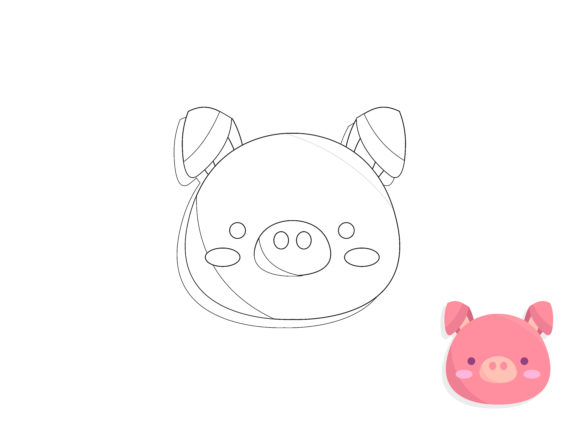
When a new graphic asset lands on my desk, I don’t just look at the file; I immediately picture it on a shelf, on a product, or in a customer’s hand. My first impression of this Vector Kids Coloring Pig was its inherent playful warmth. The style leans into a friendly, handmade aesthetic—not overly polished or corporate, but charming and approachable. This immediately suggests a brand personality that is wholesome, cheerful, and family-oriented. It feels perfectly suited for businesses that value connection over cold professionalism: a boutique children’s clothing line, a bakery specializing in birthday cakes, a natural skincare brand for families, or a shop selling handmade wooden toys.
Mood and Brand Fit: Where This Pig Graphic Finds Its Home
The mood is soft and inviting. It doesn’t scream “luxury” or “modern minimalist”; instead, it whispers “organic,” “playful,” and “crafted with care.” This makes it a powerful tool for local businesses looking to build an emotional connection with their community. For a real project, imagine a local farm-to-table cafe that wants to launch a new line of kids’ lunchboxes. This Vector Kids Coloring Pig could become the visual anchor, signaling a product made with fun and wholesome ingredients. It creates an instant, positive first impression that separates the brand from generic, mass-market competitors.
Practical Magic: Transforming a Vector File into Business Assets
The true value of a quality graphic design asset like this isn't in the download itself, but in its application across a brand’s entire visual world. Because it's provided as vector files—openable, editable, and resizable without losing quality in programs like Adobe Illustrator—its utility is immense. For a small business owner or a packaging designer, this means one graphic can fuel a cohesive brand identity.
You could scale it down for a delicate logo on a ceramic mug. Enlarge it for a hero graphic on a paper shopping bag. Extract elements for decorative borders on product labels for handmade soaps or jars of honey. It can be recolored to match your brand palette for seasonal campaign visuals—think a festive red for holiday packaging or a pastel pink for a spring social media graphic. This one asset can populate:
- Product Packaging & Labels: As a central icon on a candle box or an accent on a food label.
- Promotional Material: On flyers for a kids’ workshop, posters in a boutique window, or business cards for a creative entrepreneur.
- Digital Presence: As a recurring motif in website banners, email newsletter headers, and Instagram story graphics.
- Brand Collateral: On thank-you cards, menu graphics for a family restaurant, price lists, and printable inserts for orders.
Strengthening Shelf Appeal and Customer Trust
In practical terms, applying a well-chosen illustration like this directly supports business goals. On a crowded shelf, a product with a friendly, distinctive graphic creates better product recognition. It builds a more consistent brand identity across touchpoints, which in turn fosters improved customer trust—they perceive the business as more professional and intentional. For a handmade seller, it elevates packaging from a simple container to a more polished marketing visual that tells a story. This stronger emotional connection can be the difference between a glance and a purchase.
Best Applications for Maximum Impact
Based on its style, I see this Vector Kids Coloring Pig working exceptionally well as a decorative brand element. Use it boldly as a hero graphic on a clean, simple package. Let it be the cheerful accent on a promotional banner for a seasonal sale. It’s ideal for product mockups to present new items online. It can bring warmth to boutique visuals like in-store signage or hang tags. For social media campaigns, especially those targeting families, it provides instantly relatable and shareable content.
Considerations for Professional Branding Use
Every asset has a context where it shines and others where it should be used carefully. This pig illustration, with its playful character, would likely feel out of place in formal corporate branding or for a luxury minimalist brand where decoration competes with a sleek aesthetic. On very small labels, especially those crammed with legal information or ingredients, the detail might become lost or clutter the layout. Avoid placing it on low-contrast backgrounds where it loses visibility, and never let it overpower essential text.
The key is hierarchy: let it support your message, not become the only message.
A Designer’s Checklist Before You Commit
Before integrating any new graphic into a client’s brand or your own business branding, run through these practical steps:
- Test on Mockups: Place the asset on a real packaging template. See how it interacts with your typography.
- Check Versatility: Preview it in black and white for potential embossing or stamping. Scale it down to the smallest label size you’ll use.
- Color Compatibility: Recolor the vector file to test it with your brand’s primary and secondary color schemes.
- Competitor Context: Compare it visually alongside competitor packaging to ensure it stands out appropriately.
- Font Pairing: Test it beside different font styles—a friendly script, a clean sans-serif, a classic serif—to find the best match.
- Licensing Assurance: Always confirm the commercial license allows use for physical product sales and client work before finalizing any design.
Ultimately, the Vector Kids Coloring Pig is more than clipart. It’s a flexible, editable illustration that, when applied thoughtfully, can become the heart of a local business’s visual story. It helps turn a simple product into a memorable brand, building that crucial bridge between a small business and the community it serves.